
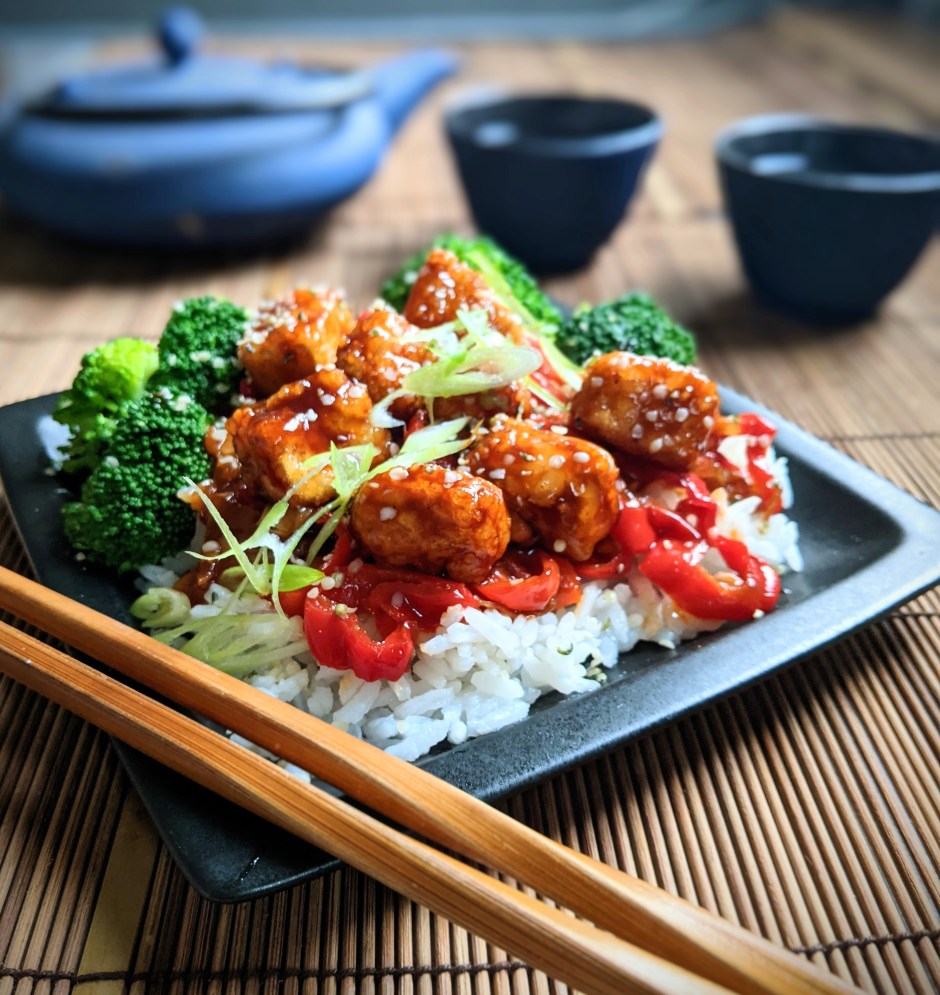
If you’ve eaten plant-based for more than five minutes, you’ve probably heard it. Friends, aunties, and even strangers suddenly become deeply concerned about your macronutrients, as if you’re about to wither away into dust right in front of them.
Let’s clear the air, bust the myths, and look at the actual science of plant protein.
The Gorilla in the Room
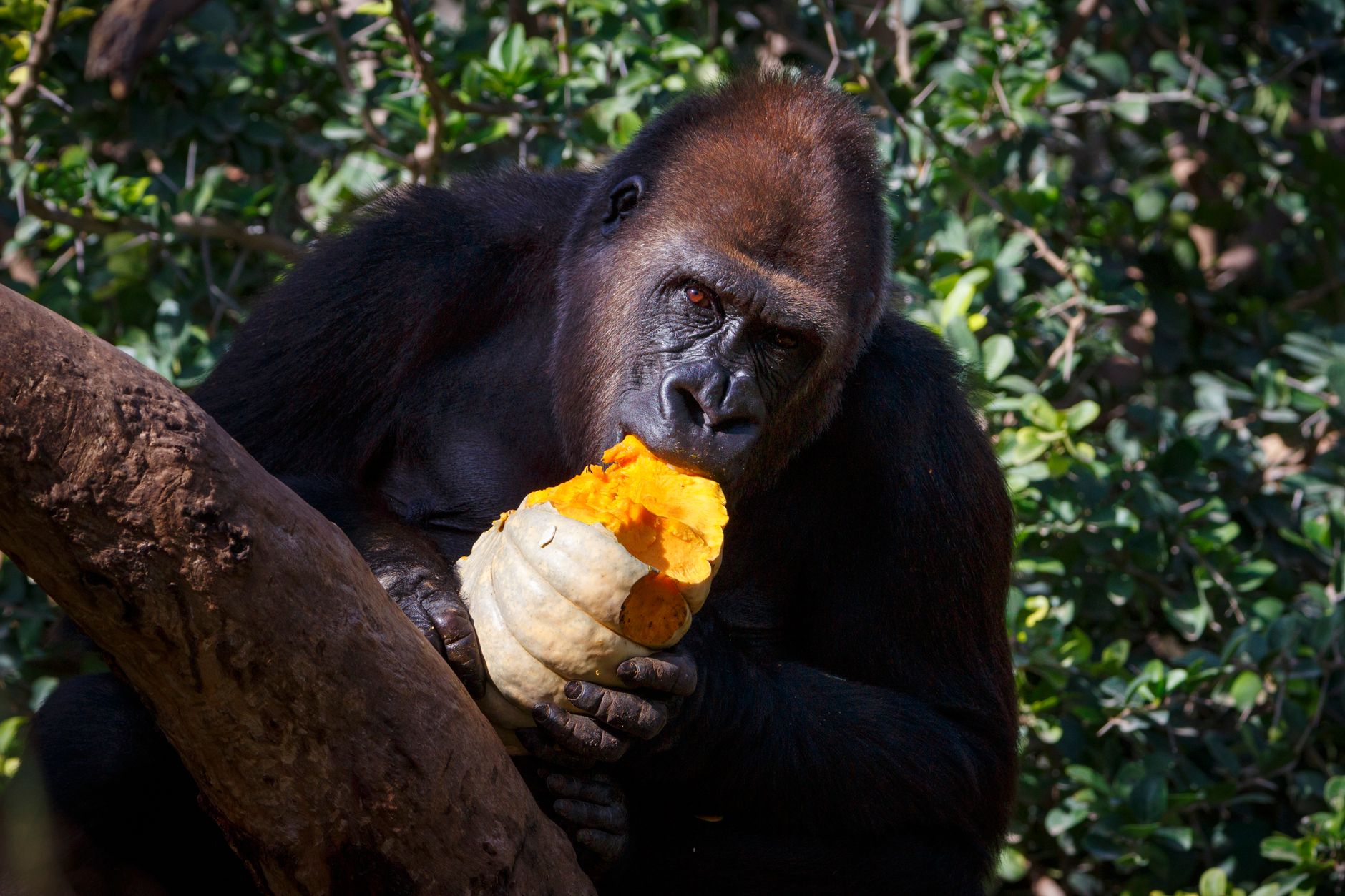
Think about the strongest, most muscular animals on the planet: elephants, rhinos, hippos, bulls, and silverback gorillas. What do they eat? Plants. A 400-pound silverback gorilla can snap a bamboo stalk like a toothpick and is roughly twenty times stronger than a human, all fueled entirely by leaves, stems, and fruit. If a gorilla can build a wall of pure muscle on a salad, you are definitely going to survive your morning jog.
The Recycled Cow Myth
Here is the biological plot twist: animals don’t magically spawn protein out of thin air. They cannot manufacture the essential amino acids that form it from scratch. Only plants and microbes can do that. When people eat meat, they aren’t eating a primary source of protein; they are eating secondhand, recycled plant protein that the animal ate and stored in its muscles. At Twisted, we prefer to skip the middleman (and the middle-cow) and get our nutrients straight from the original manufacturer: the plants.
The “Complete Protein” Fairy Tale
For decades, a myth persisted that vegans have to meticulously combine foods at every single meal—like pairing rice and beans at the exact same second—to get a “complete” protein.
Here is the actual science: protein is made of 21 amino acids. Your body can make 12 of them on its own, but needs to get the other 9 “essential” amino acids from food. Plants make all 9. Your liver keeps a dynamic “pool” of these amino acids throughout the day. As long as you eat a variety of whole foods, your body easily grabs the amino acids it needs like Lego bricks to build what it needs. No stressful math required.
The Heavy Hitters (By the Numbers)
Plant foods aren’t just surviving the protein game; they are winning it. Gram for gram, many plant sources pack a massive punch:
- Tempeh & Tofu: Tempeh packs a whopping 31 grams of protein per cup, and tofu brings about 20 grams. (And no, it won’t give you man-boobs—see our first blog post!).
- Lentils & Beans: A cup of cooked lentils delivers 18 grams of protein, plus a massive dose of fiber that your gut microbes are begging for.
- Hemp Seeds: Just three tablespoons give you 10 grams of complete protein. Toss them on anything.
- Even Veggies & Grains: A cup of cooked oats has 6 grams, and a cup of peas has 8 grams. It all adds up fast!
The Takeaway?
Unless you are eating nothing but fruitarian jellybeans, it is almost medically impossible to run out of protein if you are eating enough calories. So next time someone asks the question, tell them you get your protein exactly where the rhinos, elephants, and gorillas get theirs: from the soil’s finest.

